Interviews
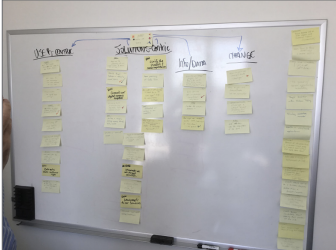
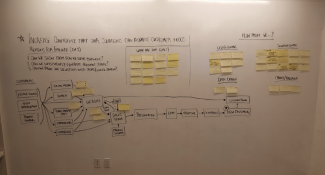
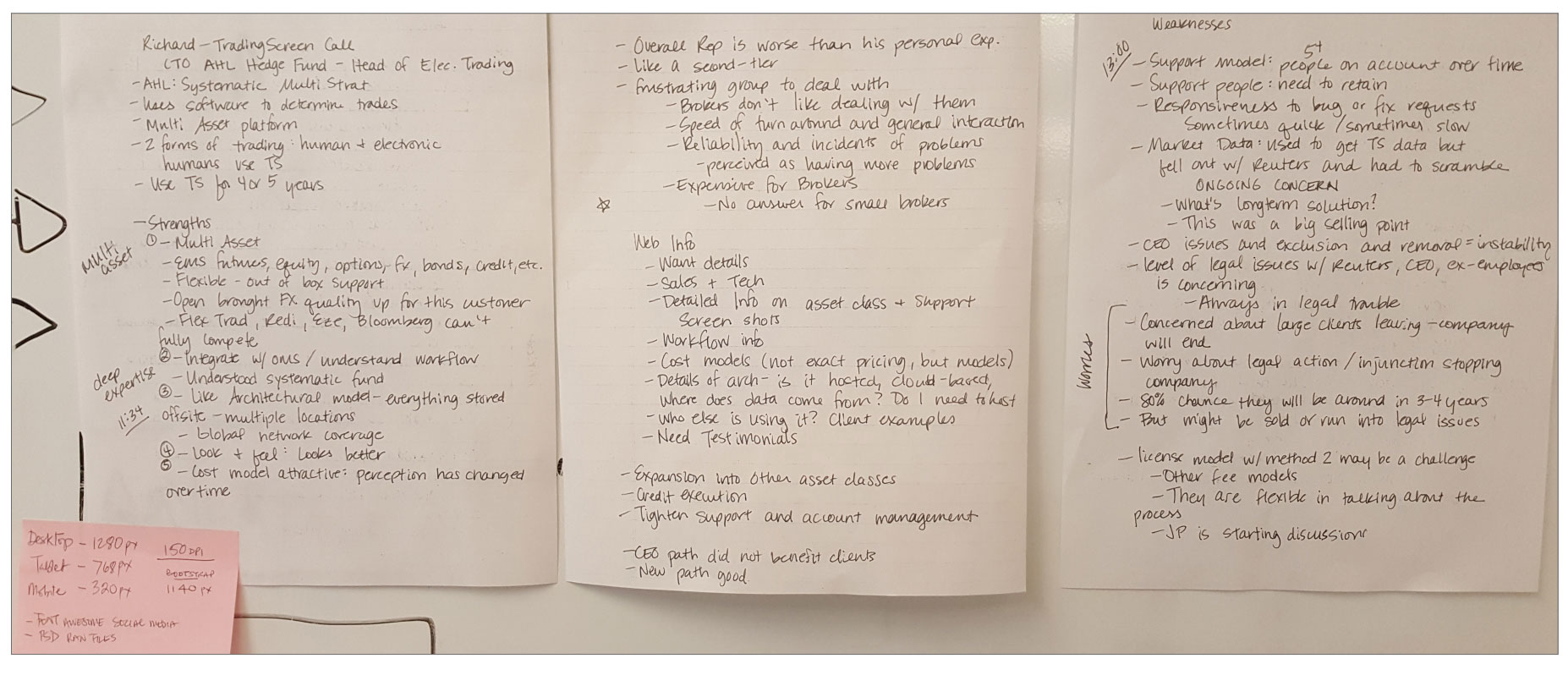
The interviews provided me with a method of gathering evidence, data and information about the product. At the heart of the recorded and wriiten interviews the human part of a story was revealed.
Client : Tradingscreen
Project: Redesign
Role : Senior UX/UI Designer
TradingScreen is a leading Fintech company providing trading solutions for the global financial marketplace.
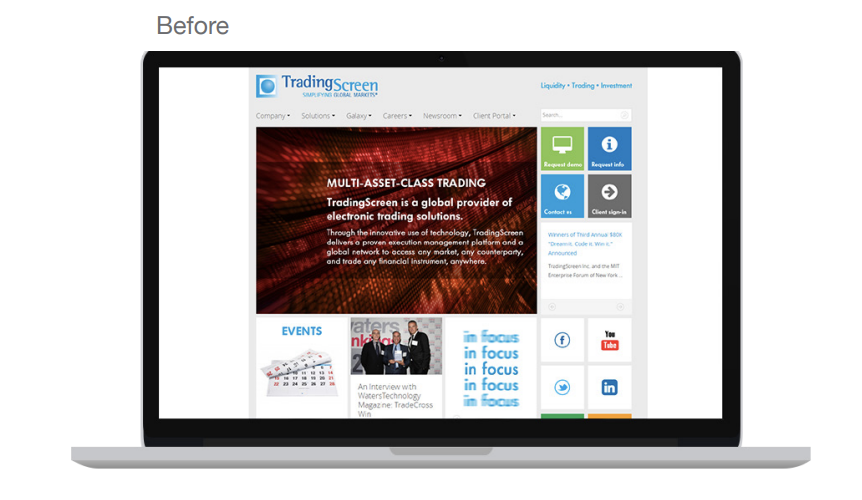
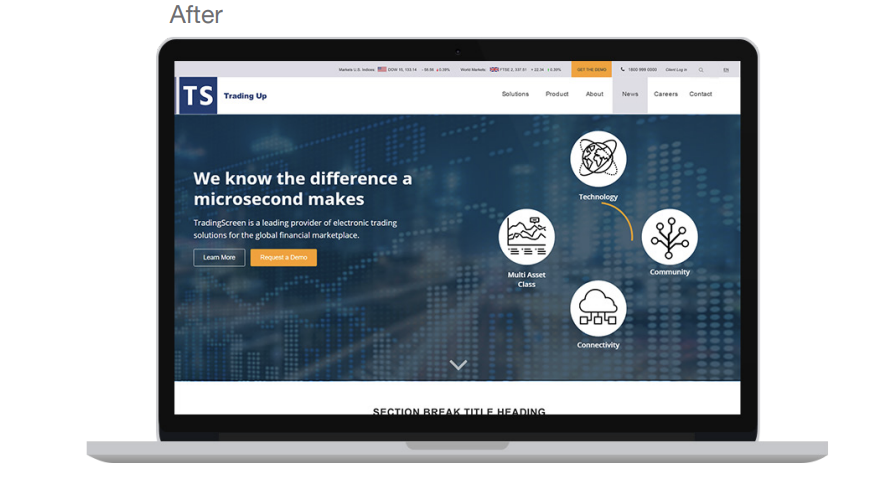
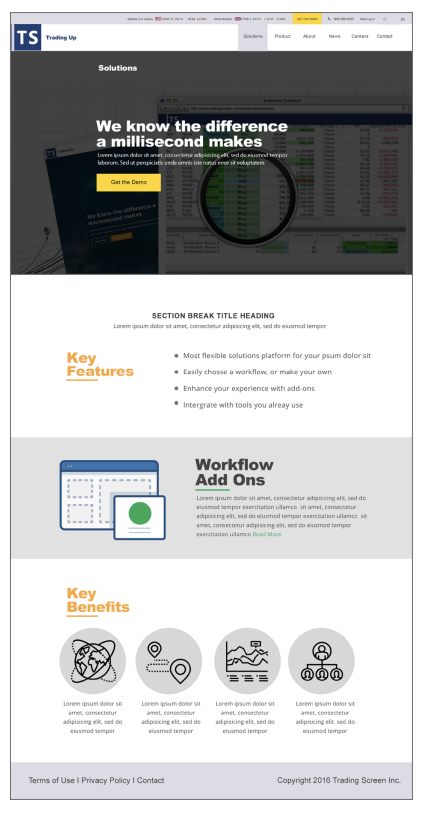
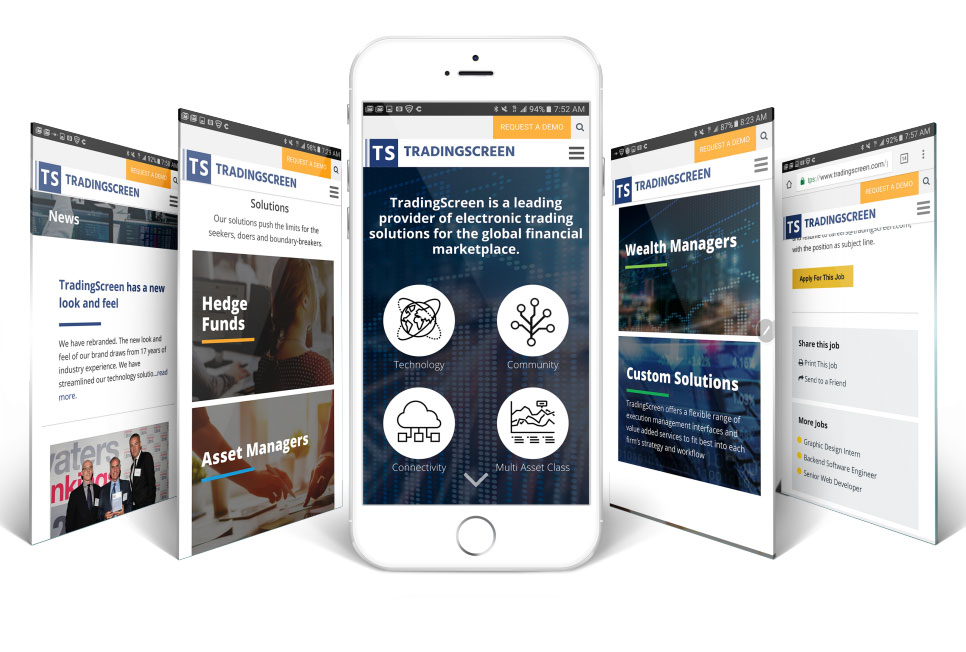
With new leadership came a new vision. As part of senior management restructuring, the company saw the need to refresh their website as quickly as possible. The company needed to create a credible, trustworthy, reliable web platform that simplified and provide resources for its users as well as generated business leads. Last redesigned in 2009. I planned to update the sites look and feel with clean navigation and overal cohesive experience.
I was responsible for the following:
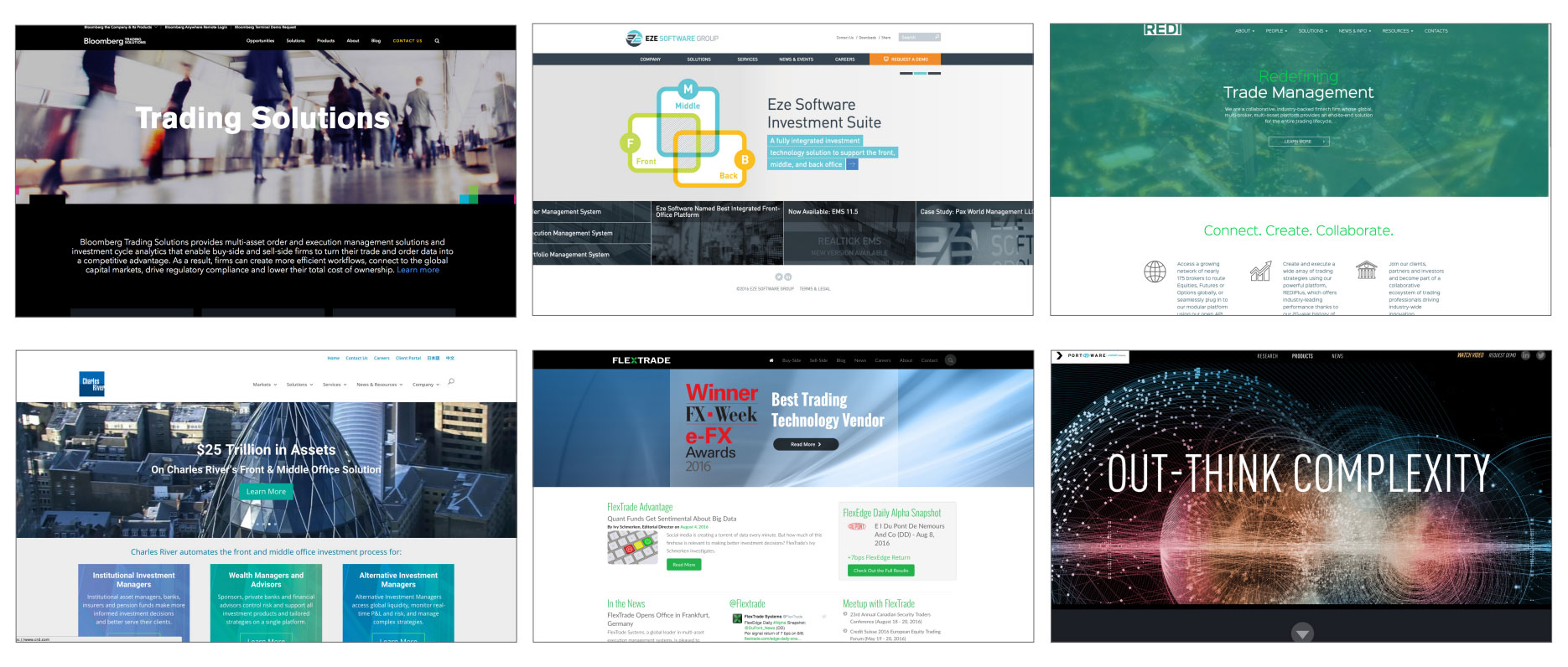
Doing solid investigative market research is essential for building a succesful digital product. In order to be competitive, one needs to know what’s out there and what has worked and has not worked. To connect the dots, you first need to collect the dots.
The interviews provided me with a method of gathering evidence, data and information about the product. At the heart of the recorded and wriiten interviews the human part of a story was revealed.
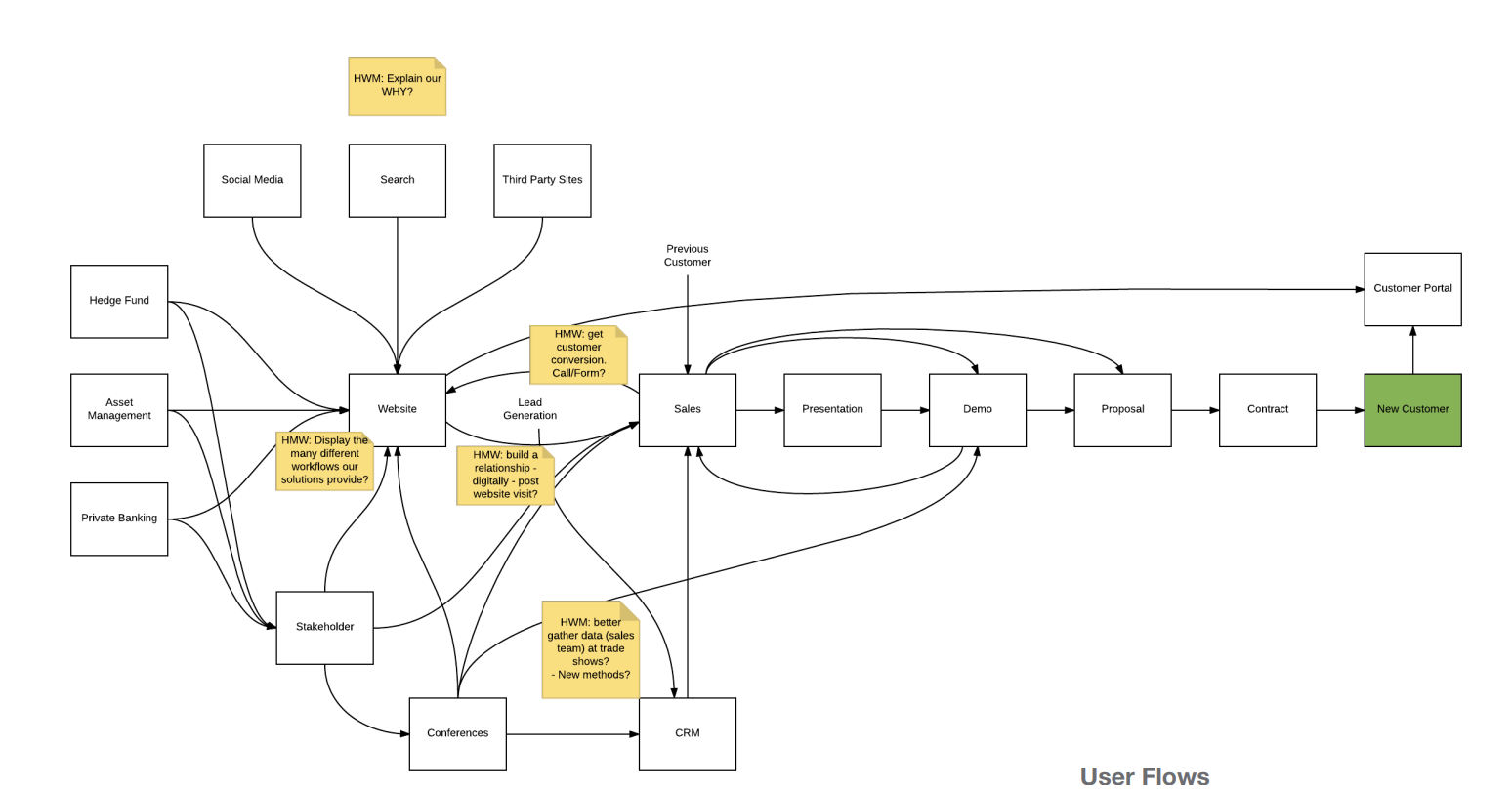
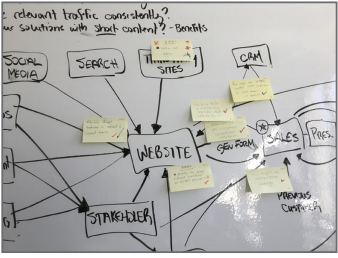
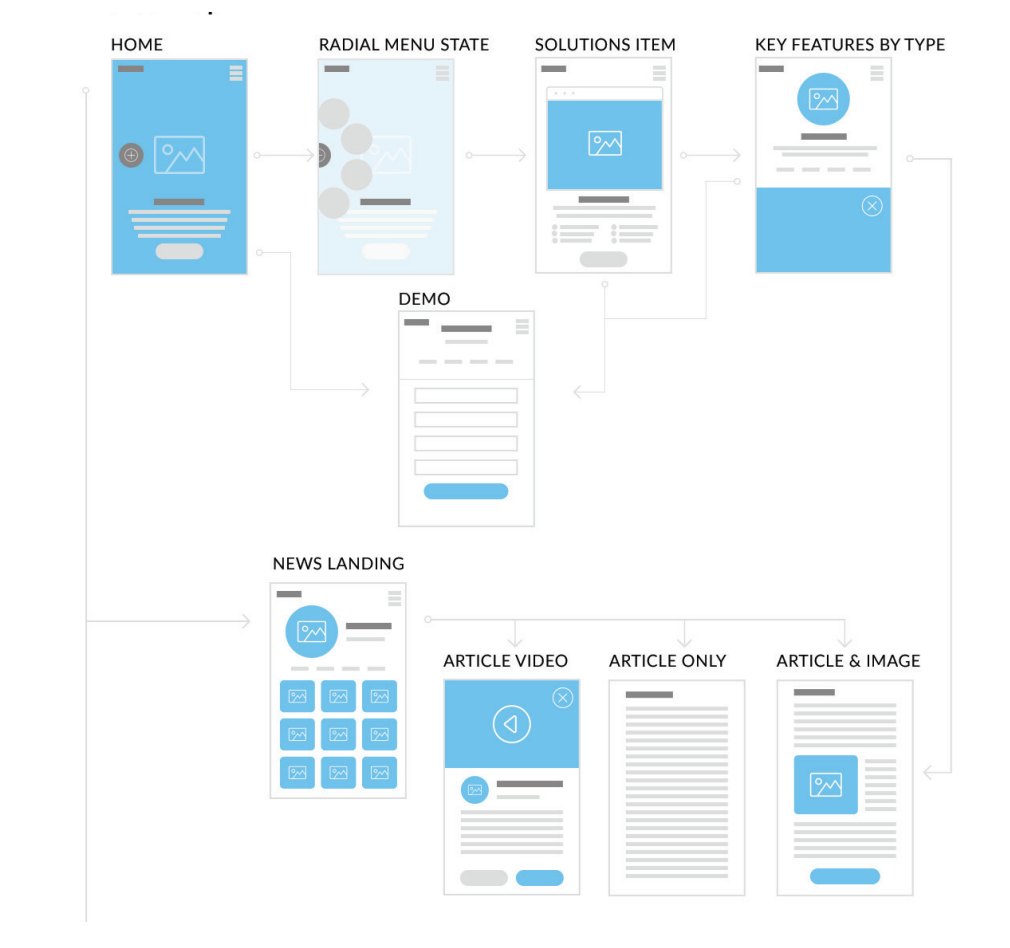
This process helped me force the clients to think about how users arrive at the site and where they’ll go next. It also helped me design the site better knowing where content will be featured (and why). Planning for how users arrive at the site makes a difference when it comes to designing the layout and organization of the site. Used LucidChart to create the flow chart.
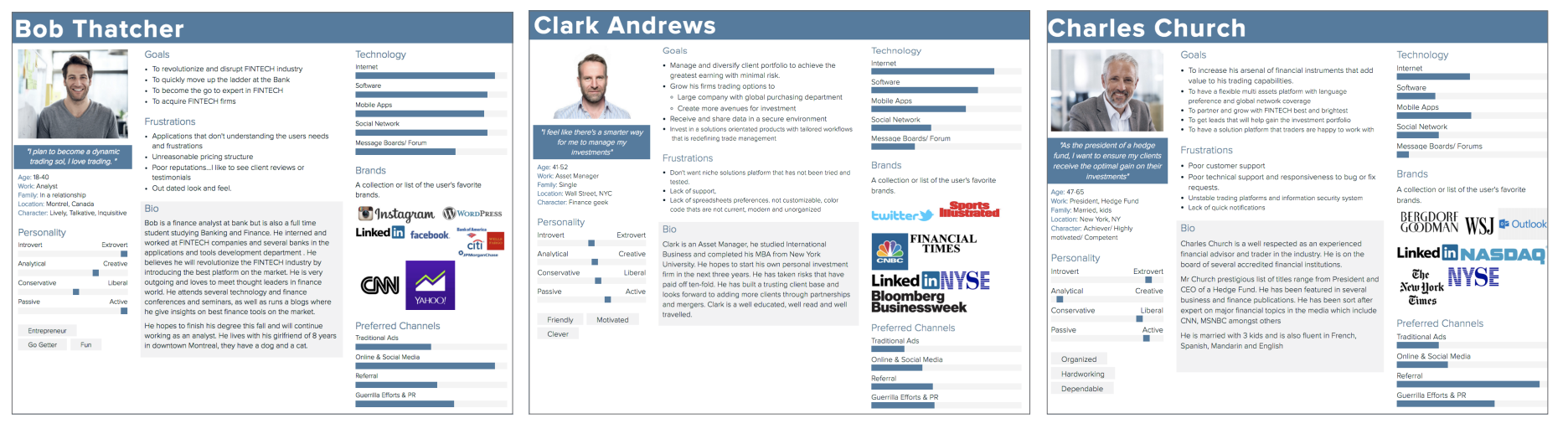
I synthesized my personas from observations, research and stakeholder interviews. To create a thorough persona I normally include social and demographic characteristics, needs, desires, goals, habits, expertise, cultural background, motivations and much empathy as pain points reveal alot. The personas were created with xTensio, the tool is a time saver, adaptable and perfect to share across the agile team for this project.
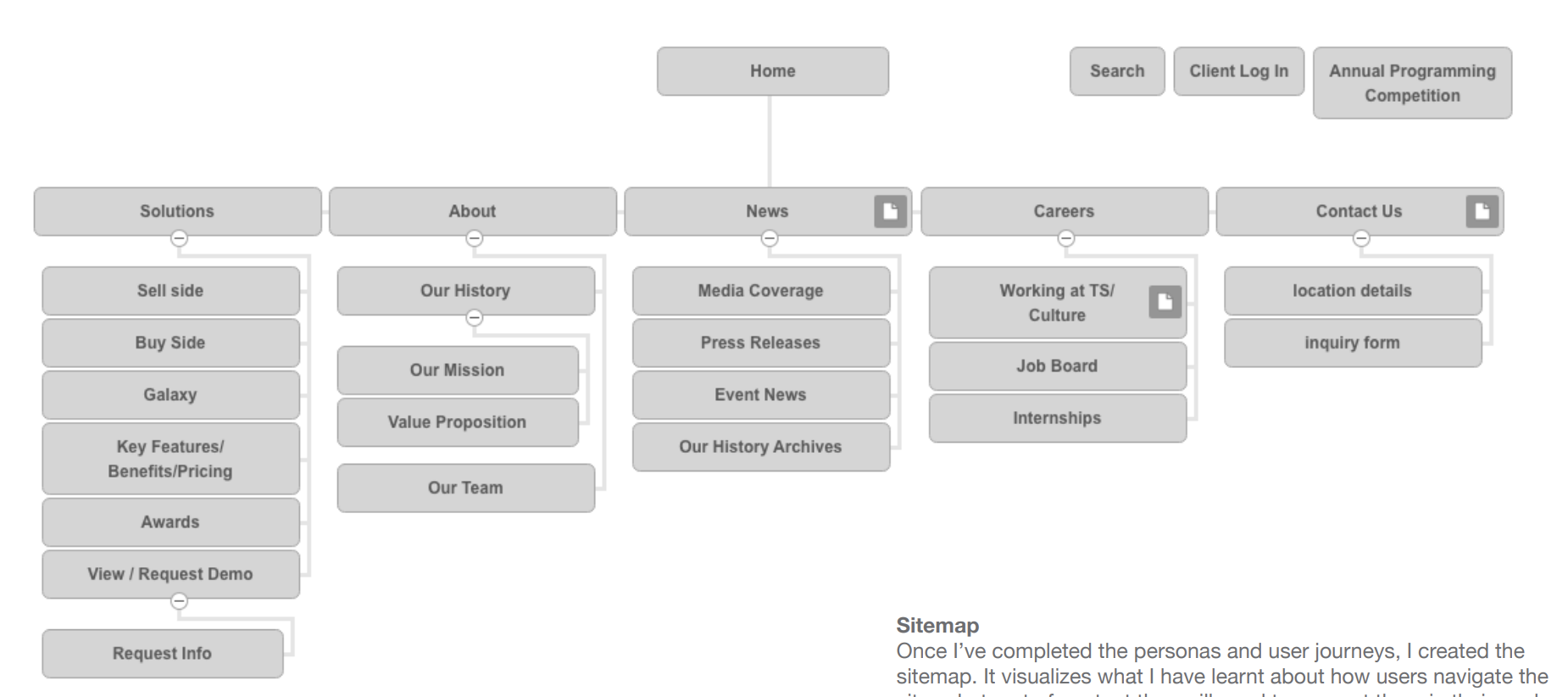
Once I’ve completed the personas and user journeys, I created the sitemap. It visualizes what I have learnt about how users navigate the site, what sort of content they will need to support them in their goals and what sort of language they use to identify things. The sitemap was created in Slickplan, the tool allowed to easily play around with navigation, annotate and share with dev team.
This process helped me force the clients to think about how users arrive at the site and where they’ll go next. It also helped me design the site better knowing where content will be featured (and why). Planning for how users arrive at the site makes a difference when it comes to designing the layout and organization of the site. Used LucidChart to create the flow chart.
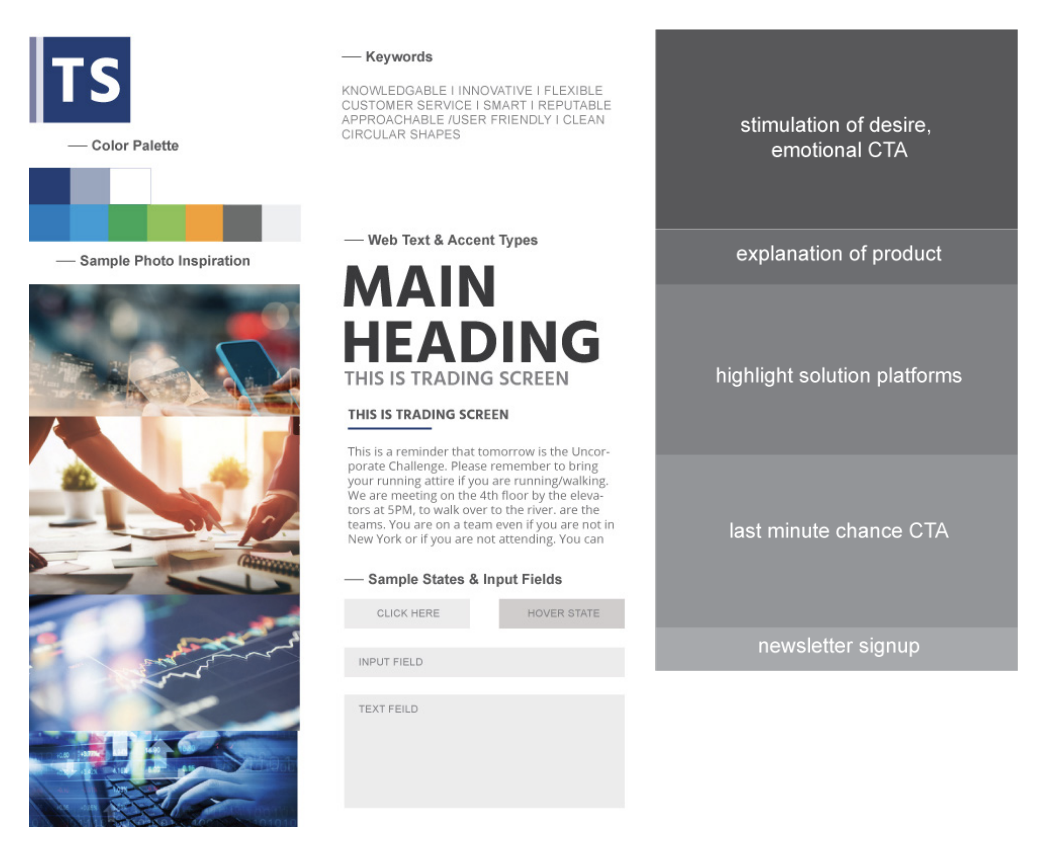
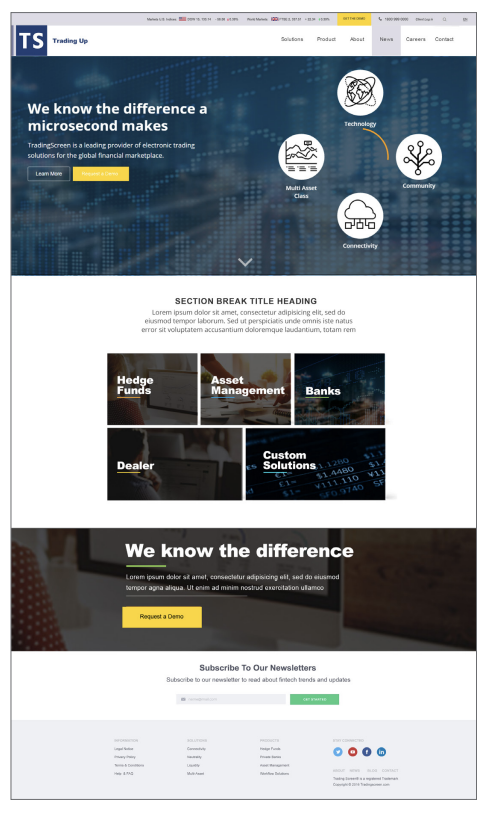
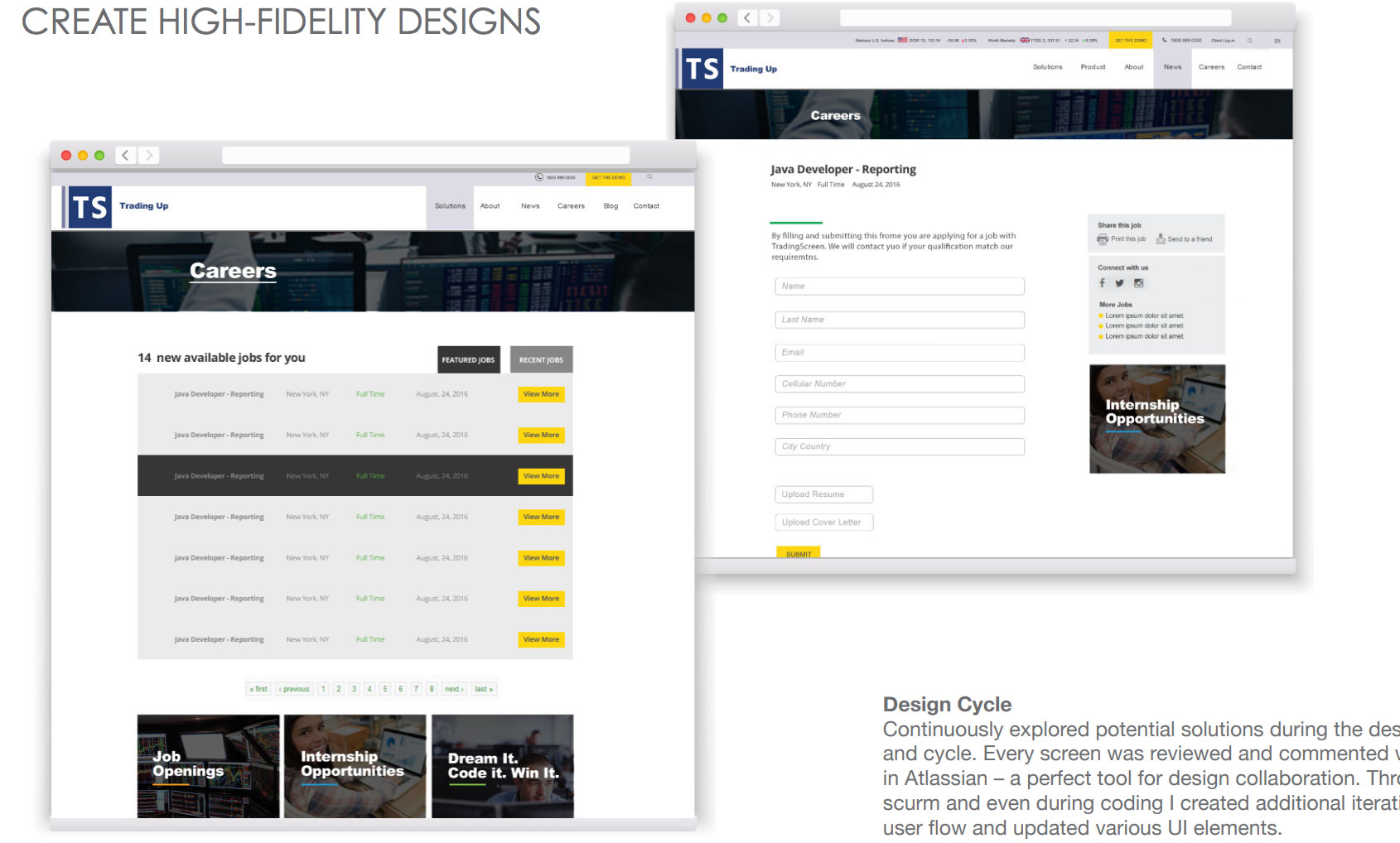
I develop a moodboard to convey my design ideas, it consist of color pallete options, images, textures, buttons and text related design. I also use the moodboard as a reference point in communicating the visual style and language I am going to use with stakeholders.I spent a lot of time pondering on the Homepage. This is one of the most important landing pages so in order to be effective I had to implement user centered design principles and answer these crucial questions for a visitor:
Where am I and what is this product about?
Why should I choose this product?
Is anybody else using this product?
How can I start using it?
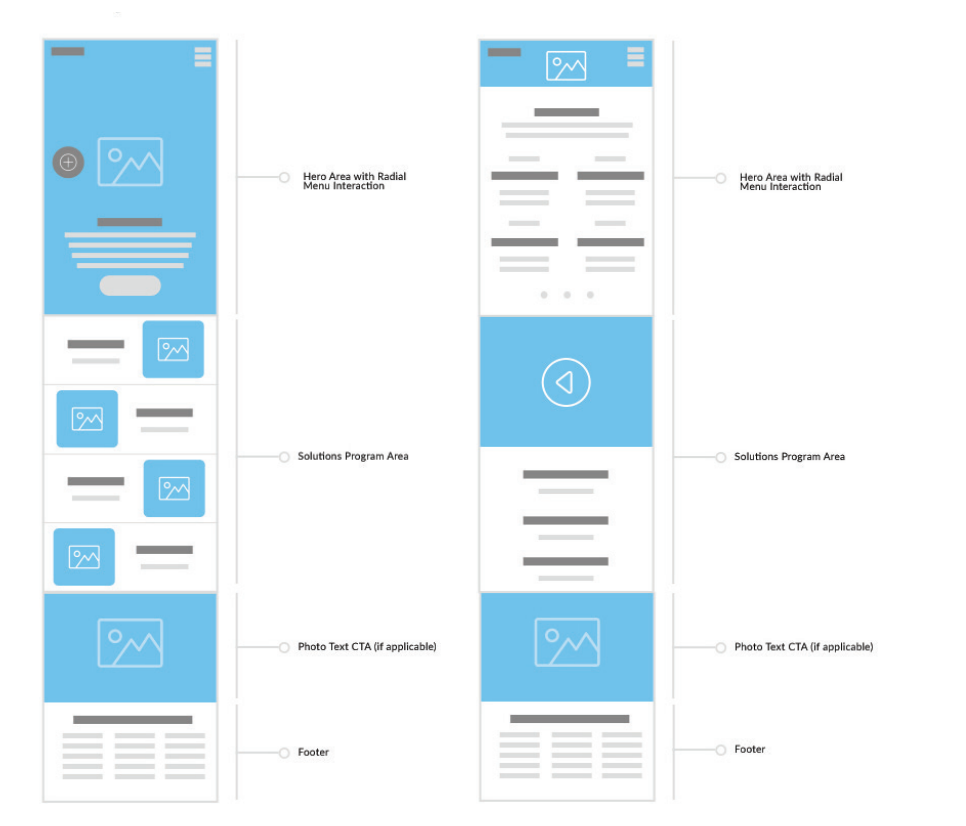
Answering all these questions allowed me to provide a better UX and to increase the conversions rate. So I came up with the following structure for the homepage:
Stimulation of desire/emotional CTA
Explanation of product
Highlight solutions platforms
Last minute chance CTA/ Demo
Newsletter signup
This process helped me force the clients to think about how users arrive at the site and where they’ll go next. It also helped me design the site better knowing where content will be featured (and why). Planning for how users arrive at the site makes a difference when it comes to designing the layout and organization of the site. Used LucidChart to create the flow chart.
What did I achieve during this project?
• Design received a lot of positive feedback from client and customer.
• The refined structure and UCD principles used in the design process brought good results. According to client GA stats conversion rates increased on homepage.
• Responsive design success revealed low mobile traffic bounce rate
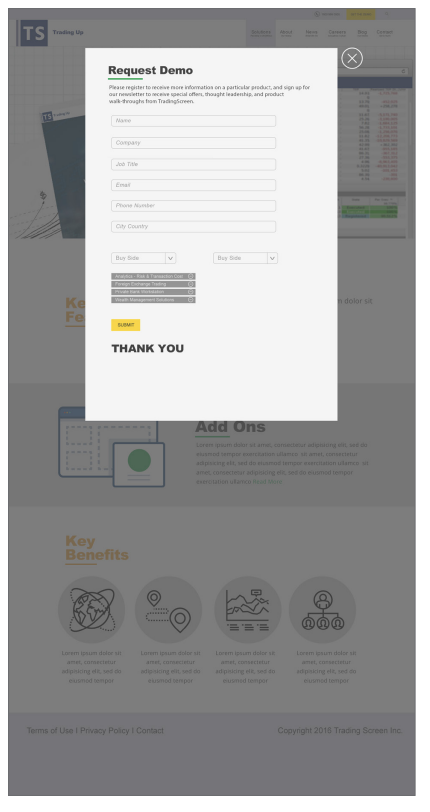
• Increased business leads based on newsletter signup/ demo request.
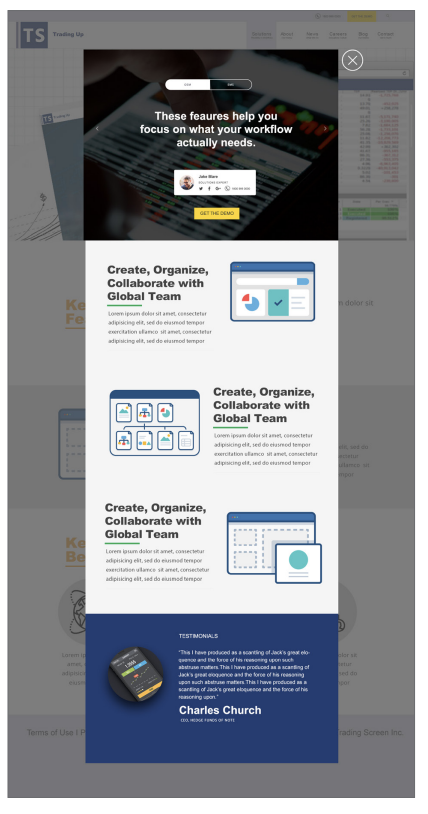
• I was able to improved the consistency in UI and usability by implementing a new design language as well as an interactive elements which quickly highlights product benefits. The radial menu feature was very well recieved.
What did I learn during the development process?
• I learned a bunch of new technologies, fancy techniques, and other new stuff during the project.
• The importance of focusing on pains and needs of our customer, only then will we be able to get optimal UX.
• By revamping the landing page I learned how to follow the principle of progressive disclosure, which means that everything should help the user’s focus by reducing clutter, confusion, and cognitive workload. This improves usability by presenting only the minimum data required for the task at hand.
• Implementing UX measurement to quanitify our successe.
• Watching users try to accomplish tasks on early prototypes is the most effective and efficient way to uncover usability problems.
Sign up for my newsletter to get information on recent projects, apparel releases on much more
By subscribing, you accept that you would like to hear about Cy Nakpodia. For more details, please read our privacy policy.